Apple's iPod turns 25, the $399 gadget that put 1,000 songs in a pocket
The device Steve Jobs introduced on this day in 2001 became a must-carry for gadget fans until smartphones took over.
By Naledi Dlamini ·
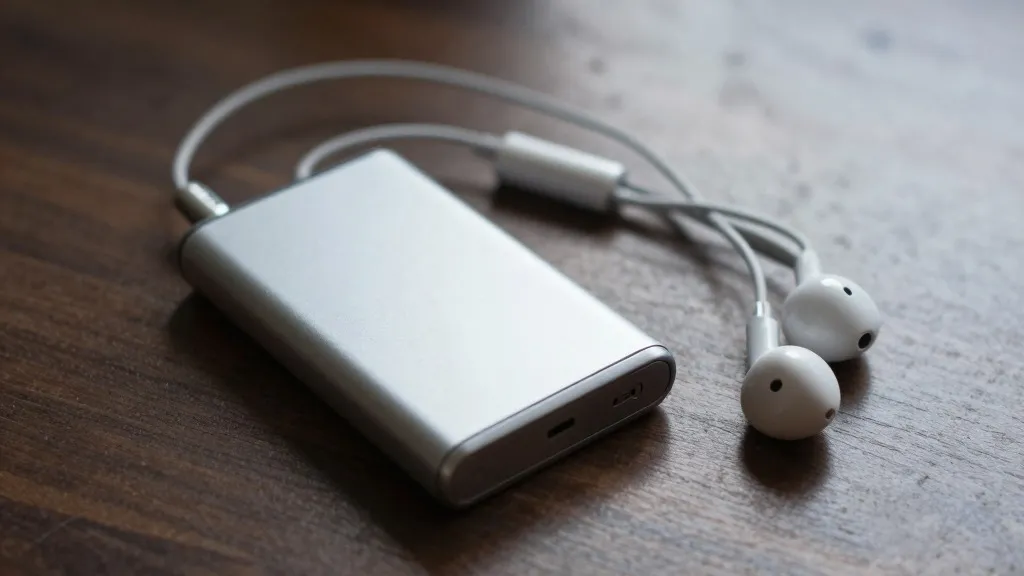
Twenty-five years ago today, Apple put a deck-of-cards-sized music player on the market that claimed to carry an entire music collection for $399. The first iPod offered 5 gigabytes of storage, which Apple said was room for roughly 1,000 songs, and it shipped alongside an updated version of the company's desktop music software. For consumers, it meant their music libraries could travel with them without swapping discs or waiting on slow cables.
The launch unfolded in October 2001, a moment when Apple was still rebuilding after the dot-com crash. Steve Jobs had steered the company past beige-box computers and into the Mac OS X era, with iBooks and iMacs already doing well with buyers. Jobs argued that the Mac could become the center of a user's digital life, linking cameras, camcorders, DVD players and portable music gear, and he picked music as a way to reach a huge market that had no clear leader.
Before the device appeared, Jobs said other companies had not solved digital music. He pointed to players from Creative and Sonic Blue, and to Sony, a much larger firm. At the time, four types of portable digital music gear were common: CD players, MP3 CD players, flash players and hard disk jukebox players. Apple chose the last category to enter, and the iPod arrived as an MP3 player that could play CD-quality sound in formats including MP3, WAV and AIFF. The first song played on stage was 'Building a Mystery' by Sarah MacLachlan.
Apple's pitch rested on three claims. The first was size: the device measured 2.4 by 4 by 0.78 inches and weighed 6.5 ounces, which Jobs called 'lighter than most cell phones,' and it used Toshiba's 1.8-inch drive, 0.2 inches thick, to fit inside. It also carried a rechargeable lithium-polymer battery rated for 10 hours of playback, and Apple said the battery could reach 80% in one hour.
The second claim was design and control. Jobs described the look as an amazing Apple design with minimal and durable back and sides, and he said it carried the company's ease of use to a portable music player. The scroll wheel used a piezoelectric clicker for tactile feedback, which allowed fast location and playback by playlist, artist or song, and the controls were built for one-hand use.
The third claim was Auto-Sync with iTunes. iTunes 2 launched the same day with features such as MP3 CD burning and syncing support for the iPod, and the player could also act as a FireWire hard disk. Apple said a FireWire 400 cable could move an entire CD to the device in five to 10 seconds, while USB links of the era would take about five minutes for a single CD of MP3s. Filling the full 1,000-song capacity was put at 10 minutes, compared with five hours on a USB music player.
The device later sat alongside the first iPhone, which arrived in early 2007, and both stayed in Apple's lineup for more than a decade. The iPod's role faded as phones took over music duties, and the last model was the seventh-generation iPod Touch in May 2019. The product line was left without updates, and Apple officially discontinued it in May 2022.
Source: Tom's Hardware