Gulf Opens for London Chefs
High UK VAT rates and a new deal for Fallow signal a shift in capital for Britain's top dining groups.
By Thomas Reynolds ·
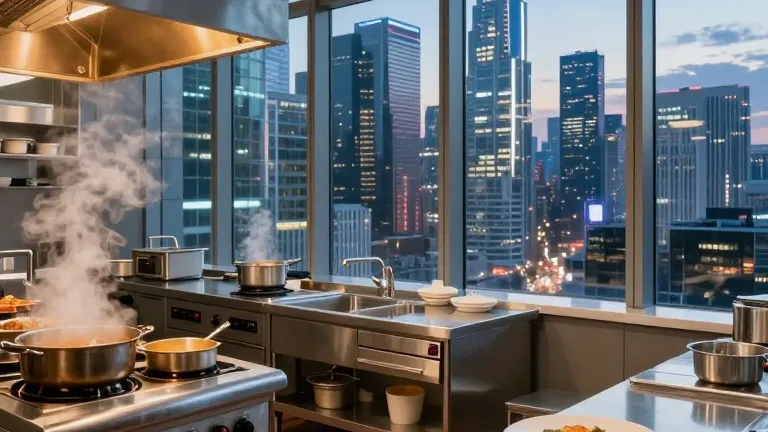
British diners in major cities may soon find their favorite London dishes served under desert skies. Several high-profile restaurant groups are moving capital to the Gulf, citing domestic tax rates as a primary driver for the expansion.
The trend began earlier this decade with Scott's of Mayfair and the Indian restaurant Gymkhana, both of which opened branches in Dubai. The upmarket Chinese venue Park Chinois followed suit, as did the Borough Market bakery Bread Ahead. More recently, Isabel's, a Mayfair establishment popular with politicians, opened in Abu Dhabi. The latest addition is Fallow, which serves 1,000 customers daily in St James's Market and boasts 650,000 Instagram followers for dishes like whole cod heads in spicy butter.
James Robson, co-owner of Fallow, signed a deal for a regional outpost last week. He describes the current fiscal environment as a "tax tsunami." From Hong Kong, where he is scouting Asian opportunities, Robson identified East Asia, the United States, and the Gulf as key growth markets. He noted that while America favors business, the Gulf actively assists operators, and East Asia maintains a work ethic and tax system that contrasts sharply with the UK.
The financial pressure in the UK is specific. Hospitality VAT stands at 20%, a rate higher than the European average of 12% and double the 10% charged in Italy. Robson and other chefs are lobbying Chancellor Andy Burnham to reduce this rate in the budget scheduled for next week. Robson stated that the government has "sleepwalked into multiple anti-growth taxations" over the last two budget cycles. He also cited the 25% corporation tax rate and dividend taxes of 40% or more as factors making domestic growth risky.
Jason Atherton, a Michelin-starred chef who now spends a third of his time in Dubai, reports that profitability is easier abroad than in London. Robson agreed, stating he does not resent paying UK taxes but believes the current balance of risk and reward no longer makes sense for expansion. He is choosing to play it safe domestically while focusing capital overseas.
This expansion occurs against a backdrop of regional instability. The US-Israeli war in Iran earlier this year led to bombardment in Dubai and an exodus of expatriates. Some venues, including Dinner by Heston, have remained temporarily closed since the conflict. The Michelin guide faced criticism earlier this month for listing 16 closed restaurants, a result of inspections conducted before the war began.
Human rights groups are urging caution on the expansion. Felix Jakens, director of campaigns for Amnesty International UK, pointed to the UAE's poor record on worker protections. He noted that migrant workers, who form the majority of the population, remain bound by a sponsorship system that ties them to employers and denies them the right to form trade unions. Jakens argued that UK businesses must conduct proper due diligence to ensure kitchen staff are paid fairly and can raise concerns without fear of losing their visas.
Robson plans to continue evaluating markets in Asia and the Gulf this year. The Fallow deal will mark the restaurant's first permanent location outside the United Kingdom.
Source: The Guardian
More Business · World news · Customer Complaints · Report a business