Hebron Business Owners Tally Losses After Israeli Demolitions and Lockdown
Factories were bulldozed and shops sealed off in Hebron after a deadly shooting attack, leaving owners and economists warning of wider damage to the Palestinian economy.
By Leila Mori ·
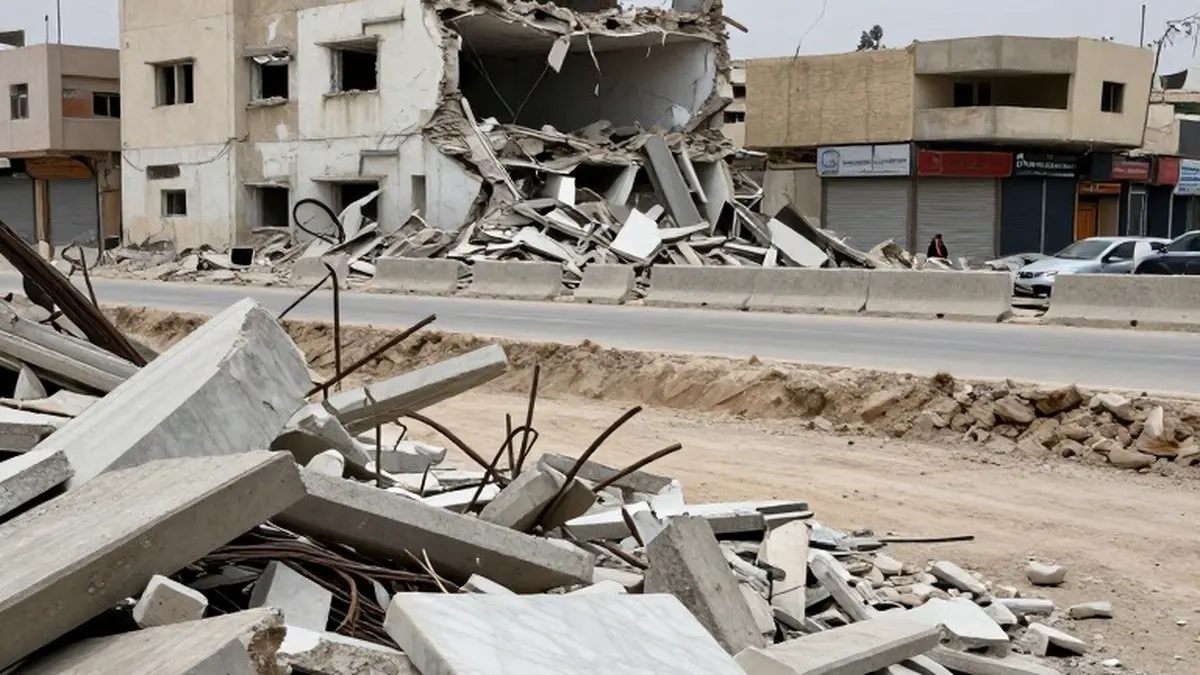
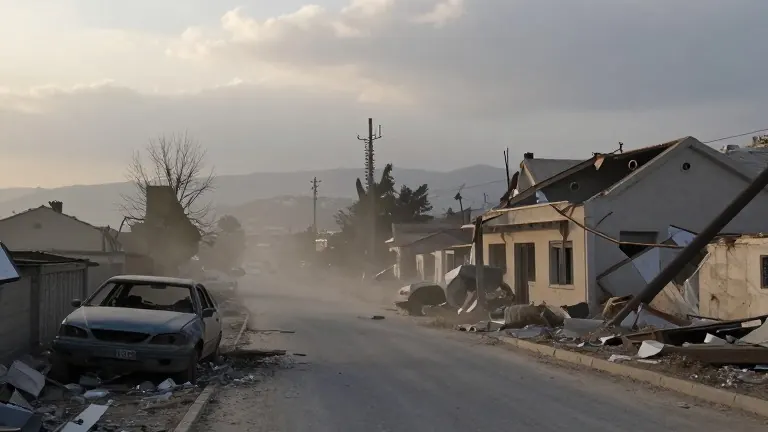
Sufyan al-Qawasmi stood beside the rubble of his family's factories in the Farsh al-Hawa area of Hebron, in the occupied West Bank, and described a business that disappeared in a few hours. Israeli bulldozers flattened the buildings on Friday, he said, with no warning or notice beforehand.
The demolitions followed a shooting attack that morning near the western entrance of Hebron, carried out by two Palestinians. Two Israeli soldiers and the two gunmen were killed. Prime Minister Benjamin Netanyahu then announced a large-scale military operation across Hebron and ordered preparations for a wider closure of the West Bank. Finance Minister Bezalel Smotrich defended the demolitions as "establishing deterrence and exacting a price."
Israel often demolishes buildings to punish Palestinians, usually relatives of attackers. Al-Qawasmi's case was different: his property was simply close to the site of the attack. Human rights groups condemn the practice as collective punishment. The city was also placed under an incursion that included closed entrances, raids, arrests, and the forced evacuation of more than 3,000 Palestinians from their homes.
The family's ceramics factory was 50 years old, the same age as al-Qawasmi, and a marble factory was added 15 years later. Together they employed more than 70 people and grew into one of the West Bank's most significant industrial operations, exporting goods to Israel. Several neighbouring buildings were also destroyed, among them a three-storey house and commercial facilities.
Al-Qawasmi said the family had no chance to remove stock before the bulldozers arrived. They saved some marble slabs and stored them with friends, but most inventory remains under the debris. He said 1,300 square metres of property, including the family's offices, was destroyed, and he put the losses at no less than 60 million shekels ($19m).
The effects reach well beyond one family. According to the Hebron Chamber of Commerce and Industry, the city contributes roughly 42 percent of Palestinian GDP and has more than 23,000 economic establishments, including over 5,000 industrial and artisanal facilities employing about 40,000 workers. Chamber vice president Adnan al-Natsha said no precise loss figures exist yet, but estimated damage to businesses and homes in the millions of dollars. He said workers could not reach workplaces and that the impact extends to the entire Palestinian economy.
Ibrahim Ahmaro, who owns a vegetable shop in the al-Jalada neighbourhood, was preparing for Saturday, normally the busiest trading day because buses bring Palestinian citizens of Israel looking for cheaper produce. Soldiers ordered him out on Friday before he could switch on refrigeration or retrieve his vehicle. When he returned on Sunday, he said soldiers attacked him inside the shop and pushed him out, though they allowed him a few minutes to remove some crates. He said his losses on goods alone exceed 50,000 shekels ($16,200).
Economic expert Ali Oweiwi said the checkpoints, earthen berms and concrete blocks have disrupted shops, factories, suppliers and the transport sector, and ultimately consumers. He said the economy could recover quickly if the operation ends within a day or two, but a lockdown lasting more than 10 days could cause serious problems, including piled-up goods and lower productivity. He estimated that destroyed vehicle dismantling, spare parts and tile businesses lost 70 to 80 million shekels ($22.7m to $26m), with dozens or perhaps hundreds of vehicles also seized.
Israel has not announced when the lockdown in Hebron will end. The country votes in pivotal parliamentary elections on Tuesday.
Source: Al Jazeera