Poppy Fields Move Into Pakistan and Iran After Afghanistan Ban
Satellite analysis has found more than 9,000 hectares of poppy in Balochistan province alone.
By Aiko Yamamoto ·
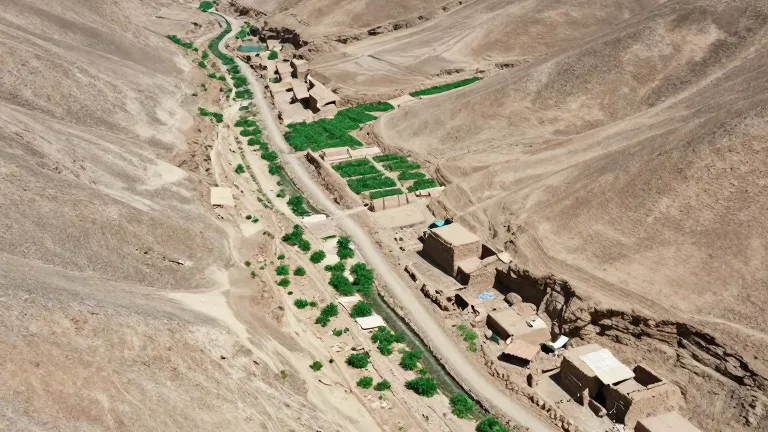
Poppy cultivation is spreading across the borderlands of Afghanistan, Pakistan, and Iran, satellite imagery and farmer interviews show, shifting production into new ground after the Taliban banned illicit narcotics in 2022. Afghanistan's opium output, once the largest in the world, has fallen sharply since that ban, but cultivation has not stopped.
Alcis, a British satellite analysis firm, identified more than 9,000 hectares of poppy in Pakistan's Balochistan province alone, according to David Mansfield, a UK-based expert on Afghanistan's illicit drugs industry who wrote an August report for the firm. Most of that area sits in the districts of Loralai and Killa Abdullah.
Mansfield said the Taliban drugs ban, combined with growing instability in the tri-border area, has created the conditions for widespread poppy cultivation in Pakistan's Balochistan Province and parts of Iran. He described the remote borderlands of the three countries as "a global center for opium production."
Balochistan is Pakistan's largest and poorest province and has a decades-long insurgency by separatists and other militants, mostly from the ethnic Baluch minority. Islamabad has denied reports of opium cultivation and says any poppy crops found have been destroyed. The United Nations Office on Drugs and Crime has estimated that opium production in Pakistan remains marginal, though the agency acknowledged that scarce regional data and sharp rises in eradication figures point toward "a certain degree of spillover effects."
Abdul Qahar Wadan, a former National Assembly member from Killa Abdullah, said cultivation is rampant and is backed by senior military officials and pro-government power brokers who take commissions from growers. Monawar Hussain, the district's chief administrative officer, rejected that claim, saying cultivation declined after an eradication campaign last year, but Alcis imagery from 2026 shows no clear evidence of eradication. A farmer in Killa Abdullah, speaking anonymously, said growers pay bribes to local authorities through influential intermediaries.
Lala Jan Kakar, a Killa Abdullah resident, said insecurity, drought, and flash floods have devastated traditional fruit farming. "It's not possible to resist it anymore. The demand for poppies is much more than fruits, and so is the income," he said. Experts say Afghan poppy farmers from Kandahar and Helmand are crossing into Pakistan to lease land, bringing money and expertise. Poppies can be harvested twice a year, and many farmers doubled their cultivated land in 2026.
In Iran, Afghan farmers work as tenants and sharecroppers, and cultivation has been reported in Razavi Khorasan, Kermanshah, Lorestan, and Fars provinces. Sistan-Baluchistan remains the main producing region. Satellite imagery from 2026 appears to show extensive poppy fields there, some using drip irrigation, a costly investment suggesting growers who planted in late 2025 expected little risk of eradication. Iranian authorities, preoccupied with the war against the United States and Israel since late February, have been unable or unwilling to destroy the 2026 crop.
Opium cultivation also appears to be rebounding inside Afghanistan despite the ban, concentrated in northeastern Badakhshan Province, estimated to account for around half of national output, and several southwestern provinces. "In 2026, poppy cultivation remained widespread across Badakhshan's rainfed and irrigated land," Mansfield said, adding that southwestern cultivation almost doubled between 2025 and 2026, though it stayed limited and was concealed within wheat fields and behind compound walls.
Source: RFE/RL