Five-point shift: How Texas border polling has turned against the GOP
Surveys in South Texas show a six-point Democratic lead in key districts, challenging the Republican narrative established in 2024 and putting a long-held Senate seat at risk.
By Imani Brooks ·
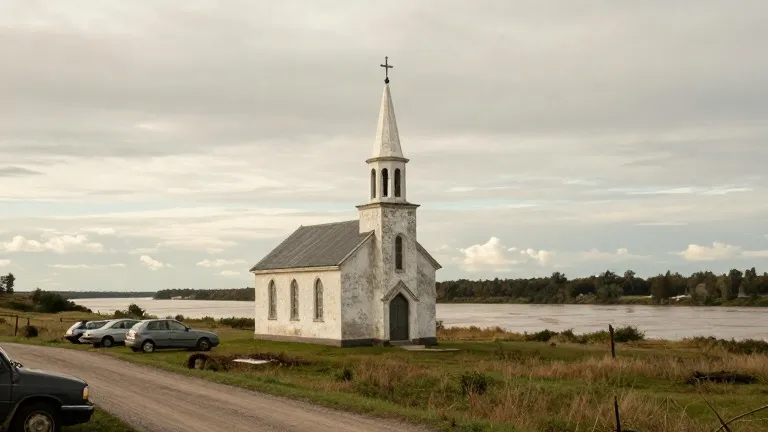
The Rio Grande Valley in Texas served as a critical engine for Donald Trump’s historic 2024 performance among Hispanic voters, yet emerging data suggests that political momentum is currently reversing. As the midterm elections approach on 3 November, Democratic strategists are monitoring a potential reversion to traditional voting patterns, although they acknowledge the path to victory remains complicated.
Recent polling data collected since late summer indicates that a majority of Hispanic voters in the state now disapprove of the current administration. In several key districts, Democrats hold a significant margin over Republicans, a stark contrast to the previous election cycle. This shift is particularly notable because the region previously delivered approximately 55% of the Hispanic vote to a Republican presidential candidate, a record-breaking figure for the party.
The economic and social pressures driving this change are evident in local communities. In McAllen, Mayor Javier Villalobos, a Republican, admits the coming race will be difficult. He notes that while the public accepts the removal of those with criminal records, there is growing friction regarding the treatment of law-abiding and productive residents. This sentiment is echoed by business leaders who feel the intensity of the enforcement measures was not fully communicated to voters during the campaign.
Local business owners are feeling the direct impact of these policy changes. Mario Guerrero, who presides over the South Texas Builders Association and supported Trump in three previous elections, plans to switch his vote this November. He points to a sharp decline in workforce availability, noting that a crew of thirty-five daily workers has shrunk to between four and six. His experience highlights a common local distinction between the goal of securing the border and the specific methods used to achieve it.
The administrative focus on border control has altered the region's demographic landscape. During the tenure of former President Joe Biden, over 2.5 million apprehensions were recorded in a single year in this area. Under the current administration, crossings have dropped to their lowest levels in decades. However, government data shows that Texas now accounts for roughly one-third of all national immigration enforcement arrests, a higher share than any other state. This intensive presence is a frequent topic of discussion in local churches and community gatherings.
In the redrawn 15th congressional district, the political tides appear to be shifting dramatically. Republicans redrew the district lines in 2025 to secure an eighteen-point advantage, yet current surveys show a five to six point lead for the Democratic candidate. Bobby Pulido, a Tejano musician and two-time Latin Grammy winner, is running on a platform focused on the local economy rather than national party branding. He argues that the region's needs differ significantly from those of coastal cities like New York or Los Angeles.
Cost of living concerns dominate the discourse at local events, with many residents attributing rising prices to federal policy. Democratic operatives suggest that even a modest swing in voter preference could have national implications. If the current polling trends hold, it may be sufficient to put a United States Senate seat in contention, a position Democrats have not held in the state for over three decades.
Republican strategists are aware of the challenges ahead. Many describe the midterm race as a contest of voter turnout rather than a battle of ideology. Candidates in neighboring districts acknowledge that national political headwinds are significant, even as they credit the administration for achieving its border security goals. The final outcome will depend on whether the economic and social grievances of the border communities translate into a decisive vote at the polls.
Source: BBC News
More Business · World news · Customer Complaints · Report a business