Spain's Set Lunch Hits 14.70 Euro Average as Daily Servings Decline
New research traces the menu's origins to 1960s tourism policy and examines why a 4-million-meal daily habit is fading.
By Kateryna Melnyk ·
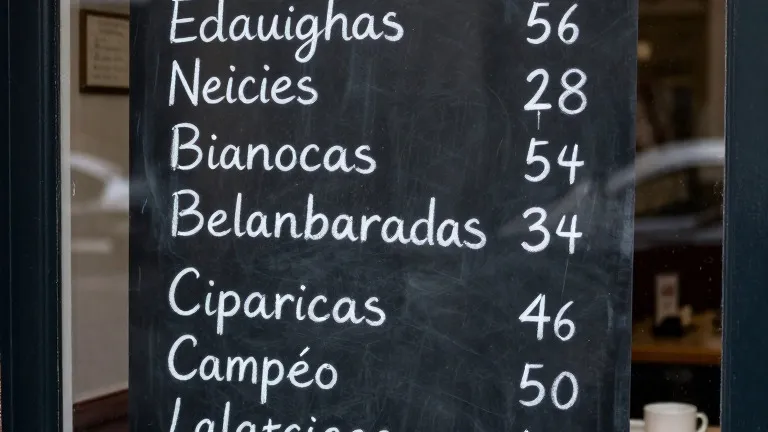
Workers across Spain still face a shrinking window for the midday meal. While millions continue to rely on the fixed-price lunch, the average cost has climbed to 14.70 euros. This price tag reflects rising energy and food bills that pressure the small, family-run establishments providing the service. The economic strain is pushing some restaurants to simplify their offerings, replacing rotating daily menus with a single dish of the day or adding Latin American staples to match changing demographics.
Spanish food journalist Lakshmi Aguirre documents these shifts in a new book. Her work argues that while the tradition is in trouble, it has not disappeared. The data shows that approximately 4 million of these meals are still served on weekdays. This figure represents a slow erosion of a habit that has persisted for more than half a century. The practice, known as the menú del día, typically includes a starter, a hearty main course with a side, and a choice of pudding or coffee, with bread and a drink included in the price.
The history of this meal is rooted in political strategy rather than culinary tradition. It began in the mid-1960s as a tourist menu devised by Manuel Fraga, the information and tourism minister under dictator Francisco Franco. After the post-civil war years of scarcity, the regime aimed to show foreign visitors that Spanish food was plentiful and affordable. Laws at the time fixed prices between 50 and 250 pesetas and mandated that the included quarter-litre of wine be pure Spanish red or white with at least 12% alcohol. The name changed in the early 1970s to encourage locals to dine out, distancing the meal from its tourist origins.
Aguirre notes that many Spaniards are unaware of this origin. She observed that people often react with shock when they learn the menu was created by a Franco-era minister. "It says a lot about us Spaniards; we forget very quickly," she stated. She describes the menu as a reflection of the country's social evolution, noting that nostalgia is growing as the habit fades. Some diners now skip the restaurant entirely, opting to bring food from home or microwave supermarket ready meals due to time constraints.
The economic pressure is not the only factor at play. Changing eating habits have also contributed to the decline. In 2009, chef Ferran Adrià declared the tradition dead, citing bistro-style restaurants charging 20 to 30 euros for simple meals. Seventeen years later, the practice remains, though in a diminished form. Aguirre identifies specific markers of a quality venue, such as a regularly changing menu, fresh chips, and a chalkboard that lacks trendy ingredients like avocado or burrata.
For Aguirre, the loss extends beyond the cost of food. She describes the restaurant as a meeting point for families with limited means and individuals living alone. "What's being lost is a meeting point," she said. The value, she argues, lies not just in affordability but in the time allocated to enjoy the meal. This social function remains intact in establishments where owners' children might be doing homework at a back table, a detail she considers a bonus indicator of authenticity.
Source: The Guardian