Uganda mandates paid isolation for returnees
The health ministry announced that travelers returning from the DR Congo must fund their own 21-day quarantine as Ebola cases emerge in neighboring regions.
By Leila Mori ·
Uganda's health ministry announced on Sunday that citizens returning from the Democratic Republic of Congo must undergo a 21-day quarantine at their own expense. The directive aims to prevent the Ebola virus from entering the country, which shares a border with the outbreak zone.
The outbreak in the DR Congo has killed more than 4,800 people since May, making it the deadliest in the country's history. While Uganda declared itself free of the disease in August after recording 20 cases and two deaths, the ministry stated that the risk has not passed. Health Minister Chris Baryomunsi told the BBC's Newsday programme that the measures are intended "to ensure that we keep Uganda free of Ebola."
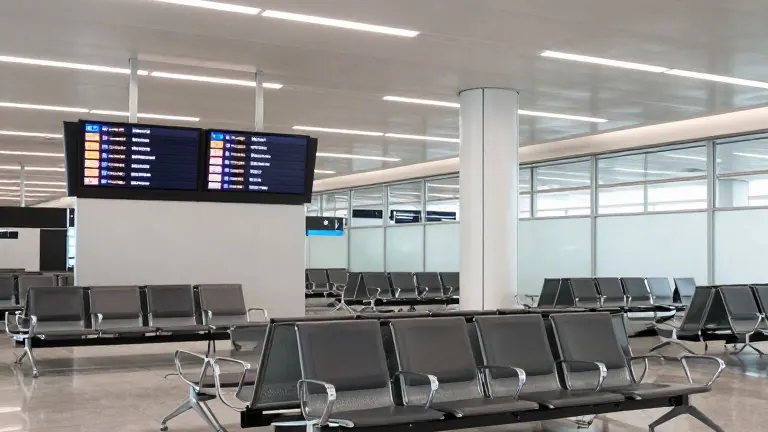
The new rules bar travelers who have recently been in the DR Congo from transiting through Uganda. Only essential travelers will be admitted, and they will face what Baryomunsi described as "intense public health measures." The ministry has increased screening at Entebbe International Airport and all land border crossings, with additional checks at designated road checkpoints.
The tightened controls follow the identification of two individuals who tested positive for Ebola after passing through Entebbe airport on the same day. Jean Kaseya, head of the Africa Centres for Disease Control and Prevention, identified the patient in Nigeria as the Ugandan-born wife of a Swiss diplomat. The Kenyan patient was a businessman from the DR Congo who had business interests in the region.
The Kenyan businessman died two days after arriving in Nairobi. Kenya has confirmed eight other cases, and a relative of the businessman died over the weekend. Diana Atwine, the health ministry's permanent secretary, said CCTV footage showed no physical interaction between the two positive cases while they were in Uganda. The ministry reported that 60 people monitored for contact with the Kenyan patient have all been discharged.
Ugandan officials initially stated that the woman in Nigeria only transited through the country after visiting eastern DR Congo. However, the ministry said on Sunday that Uganda and Nigeria are collaborating to establish her full travel history and possible routes of exposure. Baryomunsi noted that communities along the border are closely linked through trade, travel, and family ties.
The Bundibugyo species of Ebola behind this outbreak is rare. The virus spreads through contact with infected bodily fluids, and there is currently no specific treatment, though vaccine trials are underway.
Source: BBC News