Lula Retakes Lead in Brazil Runoff After Court Orders Vote Extension
Justices ordered two extra hours of voting in some areas, pausing the count as northeastern results surged for the incumbent.
By Kaito Garnier ·
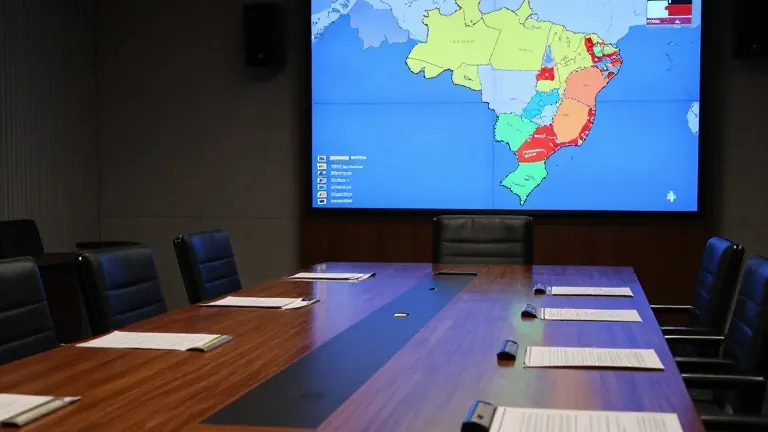
Brazilian President Luiz Inácio Lula da Silva regained the lead in Sunday's presidential runoff against Senator Flávio Bolsonaro with approximately 50% of ballots counted. The shift occurred at 8:30 p.m. in Brasília as tallies from the populous northeastern region, a traditional base for Lula's left-wing coalition, began to arrive in volume.
The count had initially favored Bolsonaro, a pattern that has characterized recent Brazilian elections as conservative candidates gain early traction. Lula's campaign attributed the late surge to higher-than-expected voter turnout. Andrei Roman, CEO of pollster AtlasIntel, told Reuters that the data indicated Lula would secure re-election. Although the federal electoral court had not formally announced a winner, supporters on social media were already celebrating a victory.
The timeline of the election was disrupted by an order from Supreme Court Justice Cristiano Zanin. Lula's team requested an extension of voting hours, citing public transportation failures in three cities within the state of Bahia. Zanin granted the request around the standard 5 p.m. closing time, creating immediate confusion at polling stations. A subsequent ruling clarified that stations already closed would remain shut so their votes could be counted, while open stations would accept voters for two additional hours. This directive forced the electoral court, known as the TSE, to halt the national count for two hours.
The procedural delay has intensified scrutiny of an electoral system still processing the fallout from 2022, when former President Jair Bolsonaro refused to accept defeat and his supporters occupied government buildings. Bolsonaro was later sentenced to 27 years in prison for plotting a coup. Legal experts warn that the extended voting window and transportation disputes could trigger further legal challenges. Vera Chemim, a constitutional lawyer in São Paulo, noted that the losing side might argue that many citizens could not vote even with the extra time.
Disputes over the logistics began before the votes were cast. Lula's campaign alleged that officials reduced bus services in at least nine states. In Salvador, a court ordered the arrest of a senior transportation official accused of directing the fleet reduction. Lula described the situation as "abominable" before Zanin's intervention. Flávio Bolsonaro also sought extensions in at least three states, citing adverse weather conditions. Eduardo Bolsonaro, a senator and Flávio's brother, criticized the Supreme Court's involvement on a YouTube stream, questioning the legal basis of the move and stating it "doesn't inspire credibility."
The result carries weight beyond Brazil's borders. Lula's allies view a victory as a barrier against the conservative trend across Latin America. In Washington, President Donald Trump declined to endorse a candidate. He told reporters in the capital that the administration is "watching" the outcome, while a campaign within the US State Department reportedly aimed to support the Bolsonaro family's return to power.
Source: The Jerusalem Post