Engineers Clear Rusting Masts From Dangerous Thames Shipwreck
Specialists have finished removing the superstructure from a WWII wreck to reduce collapse risks, leaving the cargo of explosives undisturbed underwater.
By Eduardo Salazar ·
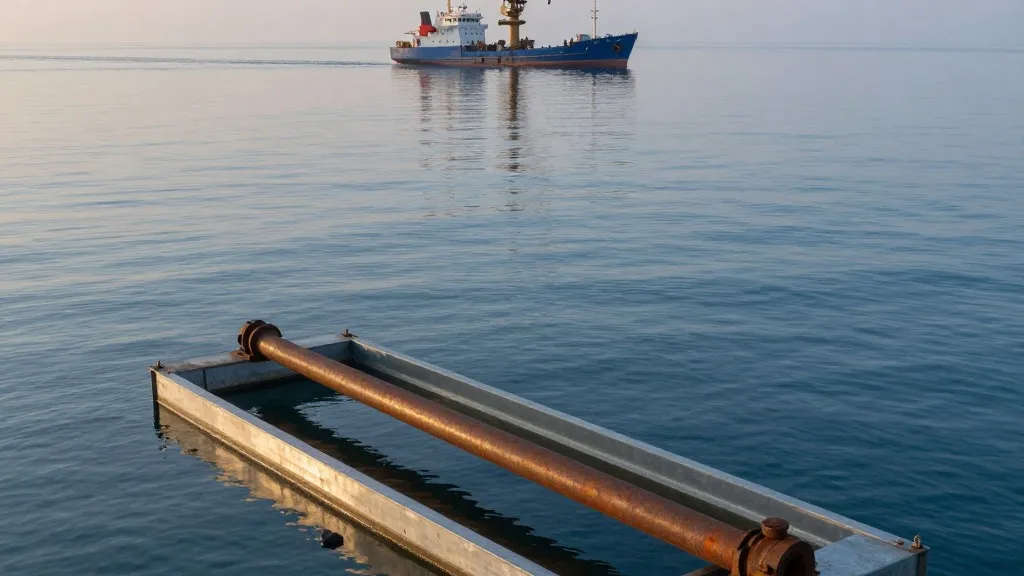
A major phase of a complex maritime safety project has concluded, with engineers successfully detaching the three remaining masts from the SS Richard Montgomery. This U.S. vessel, which has been resting on the bottom of the Thames Estuary for over eighty years, still contains a massive cargo of explosives. While the superstructure has been cleared away, the munitions themselves remain in place, and authorities state they will continue to monitor the site closely.
The removal of the masts is designed to mitigate a specific structural risk. Recent surveys indicated that the ship had begun to lean, and there was concern that the rusting masts could eventually collapse. A fall of this weight could potentially strike the cargo holds and trigger a detonation. By taking the masts down, the team aimed to reduce the load on the wreck and stabilize its long-term condition.
Nolan Conway, a naval architect from the Florida-based firm Resolve Marine Group, explained the stakes of the operation. He noted that some of the munitions are believed to have pressure fuses, meaning a physical impact could set them off. His team's primary goal was to cut the masts away without shaking the hull or endangering the workers involved in the project.
The engineering approach required highly specialized equipment to handle the delicate task. Conway’s team built a custom lifting frame that allowed them to raise each mast clear of the water without any swinging or swaying. To cut through the metal, they utilized a remotely operated underwater diamond-wire saw. This device clamps around the mast with hydraulic arms and passes the saw through the structure, eliminating the need for divers to enter the water manually.
U.K. maritime minister Keir Mather announced in the House of Commons this week that the project was completed ahead of schedule and within budget. According to reports, the total cost for removing all three masts was just under $13 million. Mather emphasized that the masts had placed a significant load on the structure, and their removal supports the safe, long-term management of the site.
The explosives remain underwater because extracting them would carry considerable risks of its own. Experts still disagree on exactly what a detonation would look like. Conway pointed out that estimates range from minor effects on the shoreline to a tidal wave traveling up the Thames, or a relatively minor event that might only close a nearby shipping channel. Despite these varying predictions, officials judge the overall chance of an explosion to be low.
The government has maintained an exclusion zone around the wreck, which lies approximately 1.5 miles off the Sheerness coast. Mather confirmed that the site will continue to be subject to continuous monitoring and control through this zone. This ongoing oversight is intended to ensure that the stability of the wreck is managed effectively for years to come.
The removed masts are not being scrapped; they are expected to be preserved. Mather stated that they have been moved to the Historic Dockyard Chatham museum, where they will be displayed to highlight the ship's historic significance. The Montgomery, which was built to support Allied forces after the D-Day landings, will now rest entirely out of sight, though its legacy remains a prominent part of the region's maritime history.
Source: CBS News