Tesla Sets Q2 2027 for Unsupervised Self-Driving in Robotaxi Zones
Tesla executives have announced a timeline for driverless operation in customer vehicles, restricting the feature to specific geographic areas managed by the company's Robotaxi network.
By Mei Lin ·
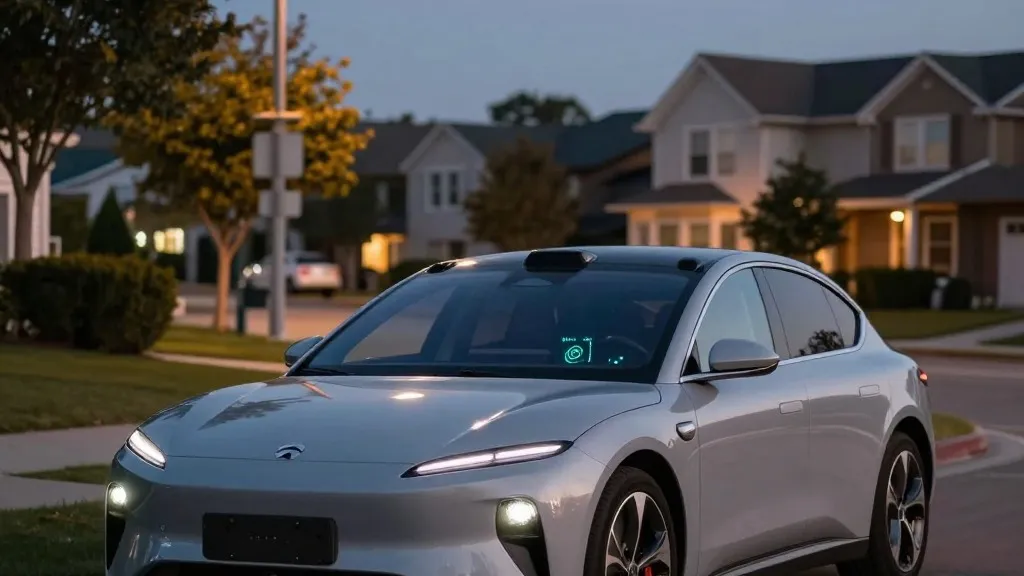
Tesla has provided a new timeline for autonomous vehicle capabilities in customer-owned cars, stating that unsupervised operation will become available in the second quarter of 2027. The announcement, made during the company's third-quarter 2026 earnings call on October 21, outlines a specific limitation regarding where and how this technology can be utilized by owners.
The implementation of this feature will be confined to specific areas where Tesla's Robotaxi service currently operates. According to Ashok Elluswamy, Tesla's AI chief, the update will not grant owners the ability to have their vehicles drive autonomously to any destination of their choosing. Instead, the functionality allows owners to add their vehicles to the Tesla-managed Robotaxi fleet within designated operational zones.
Tesla's Robotaxi service is presently active in six U.S. metropolitan areas, though the operational zones within these cities are limited in scope. The mapped areas for locations such as Miami, Orlando, and Tampa cover only small portions of the cities, primarily focusing on specific neighborhoods. Within these boundaries, the service is restricted to low-speed routes and generally avoids highways or more complex driving environments.
The Bay Area remains an exception to this rollout due to regulatory requirements. California regulations mandate the presence of a safety driver in all vehicles unless the company provides specific data to the Department of Motor Vehicles, a step Tesla has not taken for systems beyond Level 2 autonomy. Consequently, the service in that region continues to operate with human supervision.
The scale of the current autonomous fleet is also limited. Tesla reported that its Robotaxi service had accumulated nearly 2 million cumulative unsupervised miles by the end of the third quarter of 2026. This total was reached after the addition of the Cybercab to the Austin fleet in September. Third-party tracking data from earlier in the year indicated the number of fully driverless vehicles on the road was in the dozens.
The company has a history of setting and revising dates for autonomous driving technology. In July 2025, the company indicated that unsupervised Full Self-Driving would be available for personal use by the end of that year in certain geographies. Additionally, owners of vehicles with Hardware 3 have been informed that their computers cannot support unsupervised operation, with no immediate upgrade path provided.
The upcoming release represents a shift from the original value proposition associated with Full Self-Driving. The initial vision for the technology involved a vehicle that could transport passengers to any location via a software update. The current plan restricts this capability to operating within specific zones under the company's control.
Regarding the safety requirements for autonomous operation, Elluswamy stated that safety remains the primary constraint, necessitating the restriction to low-speed roads and specific environments. He estimated that these safety issues could be resolved by the following year, though he declined to offer a specific date for that resolution.
Source: Electrek